

Moving home ranks among life’s most stressful experiences, surpassing even childbirth, job interviews, and dental procedures, according to The Independent. With so many details to manage, even small tasks like labelling boxes can get forgotten.
Labelling helps your removal team know which boxes to load first, where to place them in your new home, and which items need extra care. At the same time, it makes unpacking far simpler, helping you find your belongings quickly without rifling through a jumble of boxes.
There’s no single perfect system, but knowing how to label boxes for moving can make a huge difference. We’ll share some of our practical tips to help you label your boxes efficiently and keep your move as stress-free as possible.
1. What To Include On Each Box
Simplicity is key when it comes to labelling boxes. Forget fancy sticky labels or colour coding systems. These can slow you down and aren’t very useful on moving day. Instead, we recommend using the space provided on the top of the box itself.
Most professional removal boxes, like our own, come with a simple diagram on the lid, which includes:
- Location: Which room the box came from (living room, kitchen, bathroom, etc.).
- Contents: Be specific but concise (china, TV remotes, office supplies).
- Packer: Optional if professionals are helping, so the team knows who packed it, but you can skip this for DIY moves.
For fragile items, mark them clearly on the top of the box so that anyone handling them knows to be extra careful. There’s no need for long descriptions; just enough information for movers and for yourself when unpacking.

Stick to the basics: clearly note the room, main contents, and mark fragile items if needed.
2. Use The Right Materials
Choosing the right boxes and packing materials is just as important as labelling. It’s best to use high-quality, adequately sized removal boxes, instead of relying on a larger number of smaller ones.
Standard removal boxes are designed to hold more items securely. This means fewer trips up and down the stairs and less risk of damage to your belongings.
Here are some key points to consider:
- Box Quality: Use strong, sturdy boxes (like our own triple-walled boxes) for heavy or fragile items such as books, china, or electronics.
- Size: Avoid very small boxes unless absolutely necessary. Standard-sized removal boxes are easier to handle and support more efficient packing.
- Protective Materials: Wrap fragile items in bubble wrap, packing paper, or other padding to prevent damage during transit.
- Label Visibility: Always write on top of the box, so the writing is easy to see during loading and unloading.
Using the right boxes and materials protects your items and makes the moving process smoother for everyone involved.
3. Organise By Room
A simple, but effective way to stay on top of your move is to label each box with the room it came from.
For example, if you’re packing the living room, simply take a few seconds to write ‘Living Room’ on top of each box. This helps movers know where to place boxes in each room of the new home, saving time and effort.
Avoid mixing items from different rooms. It might feel quicker to shove as many items as you can into boxes, but this only creates more hassle later.
Imagine opening a box expecting kitchen items, only to find it’s half full of bathroom toiletries. Keeping boxes room-specific keeps things simple and avoids unnecessary frustration.
Be consistent with your labelling by using the same room name on every box from that space.
For example, don’t switch between ‘Master Bedroom’ and ‘Bedroom 1.’ If more than one person is helping with the packing, agree on the wording beforehand so everyone labels boxes in the same way.

Keep boxes room-specific to save time and avoid confusion later.
4. Be Clear About Contents
We’ve already covered the basics of what to include on each box, but it’s just as important to be clear and specific. A box simply marked ‘miscellaneous’ or ‘stuff’ is no help to you or the movers.
Instead, keep descriptions short, but specific. Write ‘crockery‘, ‘bed linens’, or ‘office stationery’. This way, you’ll immediately know what’s inside and won’t have to open several boxes to find one item.
Fragile items should be labelled boldly and clearly. Always write ‘Fragile’ on the top of the box so it’s immediately visible. If a box contains particularly important items, such as medication or essential documents, be sure to mark this clearly as well.
At the same time, don’t overdo it. There’s no need to write long lists or detailed notes on every side of the box. The aim is to make it easy for movers to identify what’s in each box, then handle it accordingly.
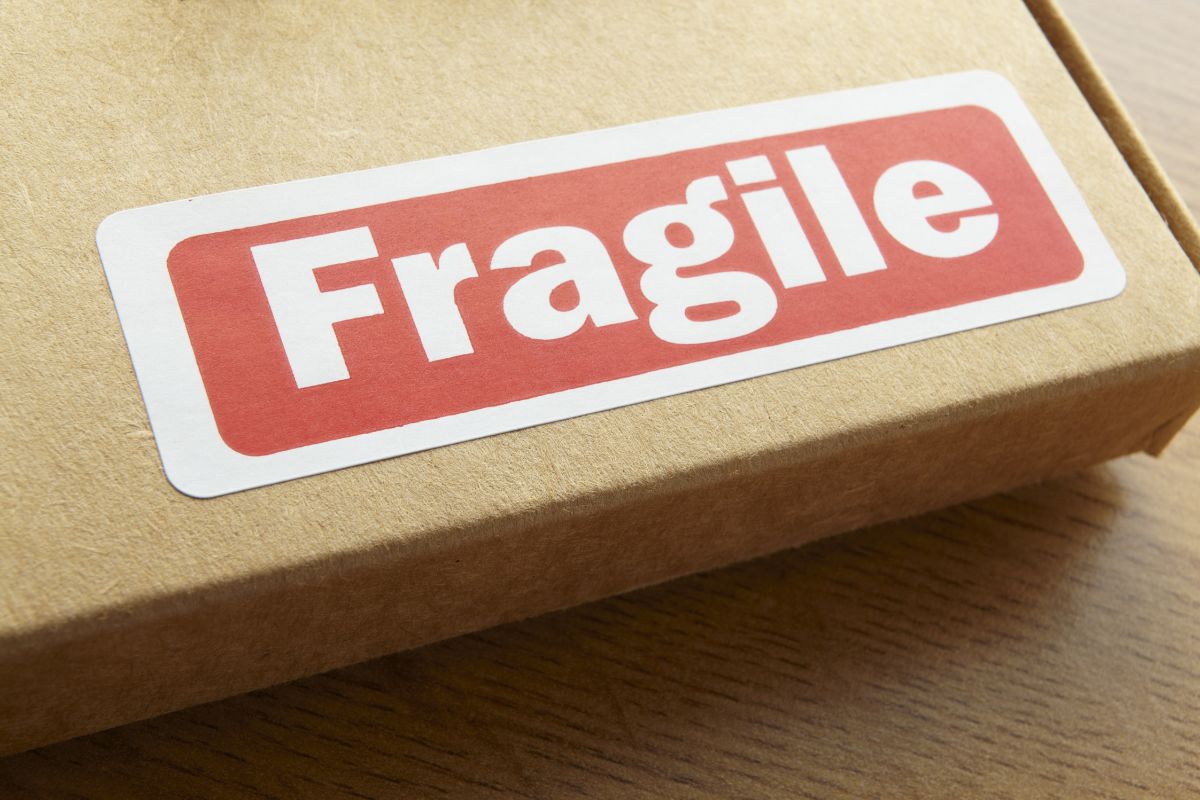
Avoid vague labels like ‘miscellaneous’. Use clear, specific descriptions to make unpacking faster and easier.
5. Make Your Priority Box Easy to Spot
Unpacking after moving can take days, so it’s a good idea to label a ‘priority box’ with essentials you’ll need immediately in your new home. What goes in this box depends on your household, but common items include toiletries, pyjamas, phone chargers, and a few kitchen basics.
This box should be easy to spot and kept separate from the main load, so you can access it as soon as you arrive. Use bold writing or a unique colour to make it stand out from the rest.
Phrases like ‘Open First’, or ‘First Night Essentials’ ensure that the box is immediately recognisable and doesn’t get buried among other boxes. Remember to add a ‘Fragile’ label if the box contains delicate items, like mugs or plates.
For added peace of mind, you could keep this box in your car, so it’s always within reach. A well-labelled, easily recognisable priority box ensures that you have everything you need on your first night, without having to rummage through a pile of boxes.
How Can We Help
We hope that our guide on how to label boxes for moving helps make your move easier.
A successful move starts with the right support. Hiring professional movers ensures your belongings are packed, transported, and unpacked safely. This can make your move less overwhelming than trying to do it all yourself or relying on a ‘man in a van’.
At Falconer Removals, we focus on making the moving process as smooth as possible. From providing high-quality, specially designed boxes to guiding you on packing, our team helps keep your move organised and stress-free.
Contact us to find out more.
