
Updated on 29/08/24
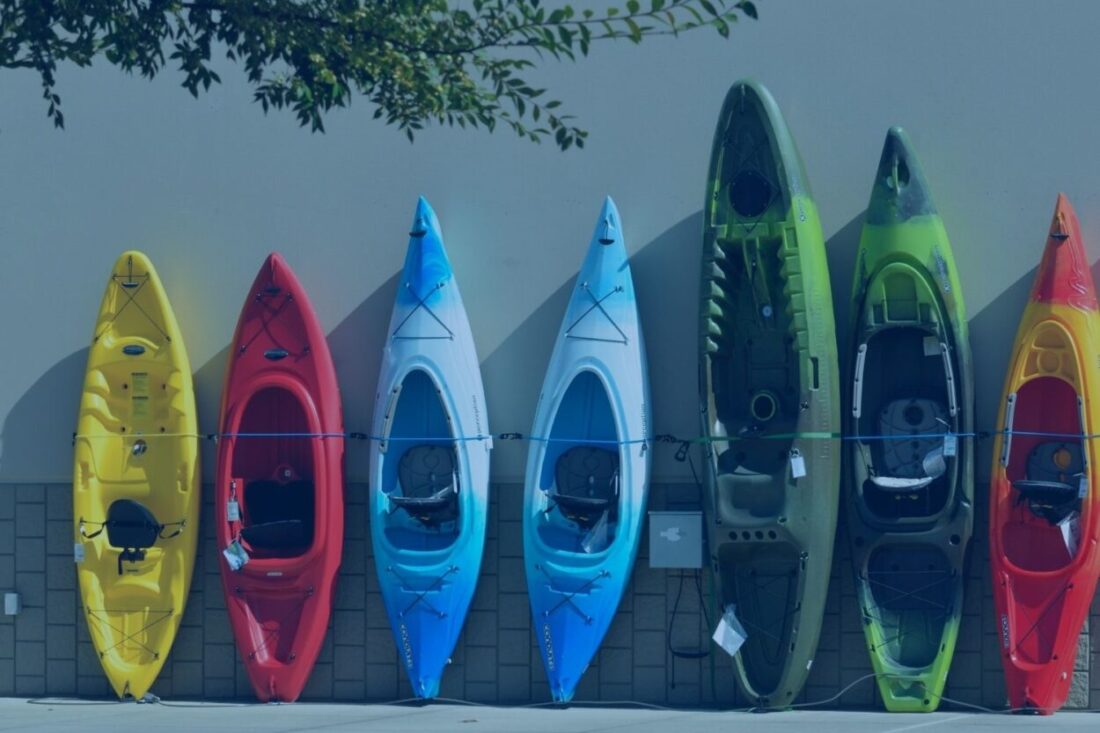
If you take a break from the sport or if the kayaking season has come to an end, you will need to store your kayak for a long period. To keep your kayak safe while it’s not in use, you will need to store it in the proper conditions.
This is often easier said than done! Kayaks can be large and difficult to move when they aren’t on the water.
To help you out, you’ll find our top storage tips in our guide on how to store a kayak. These will ensure your kayak can be used for many years to come, getting you the most out of your investment.
If you’re wondering how to store a kayak, you’ll need to do the following:
- Clean kayak
- Protect against elements
- Store properly
- Protect against theft
- Keep away from windows
Let’s explore these points in more detail.
1. Clean Kayak
As reported on Kayak Help, salt can degrade the exterior of all kinds of kayaks (wooden, plastic, composite, fibreglass and so on), and the metal parts within your boat. It is therefore important that you spray down the boat after each use, as well as before it goes into storage. There should be no salt present to ensure you avoid damage, degradation and corrosion.
Likewise, make sure that your kayak is bone-dry before it goes into storage; water that collects on and in your kayak can cause mould to grow over time. Don’t forget to drain your drainage plug!
For fabric sections in your kayak (like seat cushions), you should remove, wash and store these separately from the kayak.
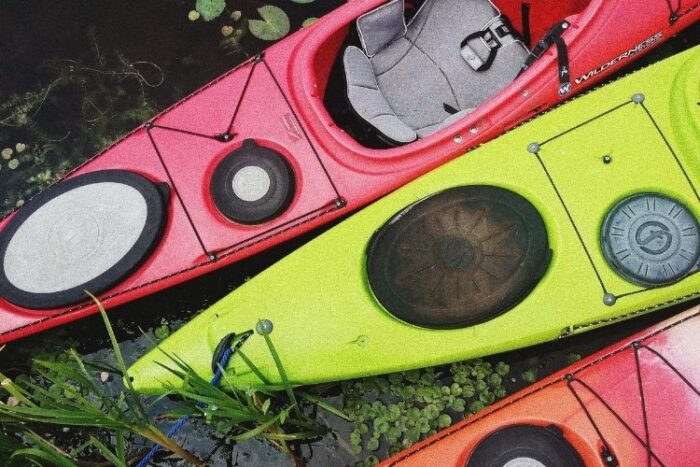
Always clean and dry your kayak before you store it away, as salt water can damage your kayak’s materials.
2. Protect Against Elements
For similar reasons, when your kayak is in storage, it should be protected from the elements. Go for a storage space that is climate-controlled, and has no direct sunlight, rain, frost or snow (all can cause your kayak to degrade).
The one hurdle is that most containerised climate-controlled storage will be too small for a large kayak. The good news is that it can be kept in a separate storage room with other large items (like ladders), that still boasts the secureness and temperature control of a container.
For extra protection, you can wrap your kayak in bubble wrap before it enters storage. This isn’t essential, but it will protect your kayak from bumps and scratches (or at least the ones on land)!
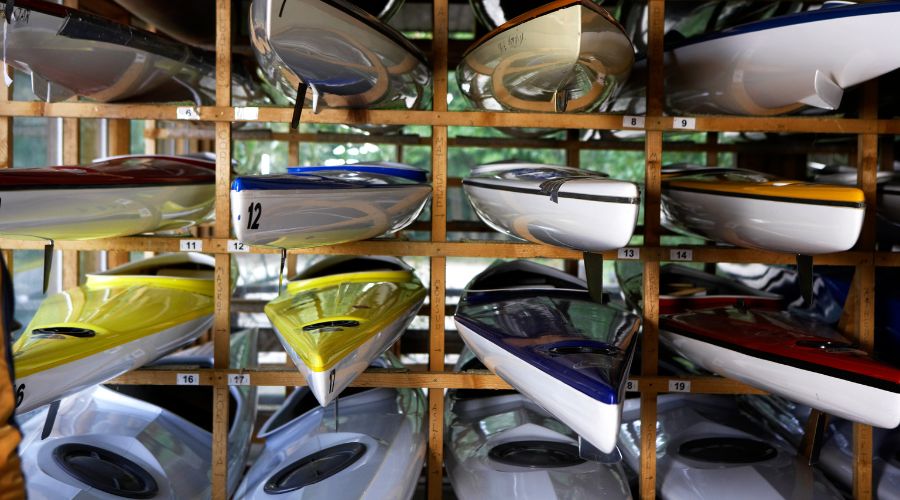
You can keep a kayak in a storage room with other large items as long as it is secure and temperature-controlled.
3. Store Properly
Kayaks stored incorrectly can get deformed, distorted or damaged. When storing your kayak, make sure to distribute the weight evenly by storing your kayak upside down.
This isn’t a surefire way to prevent distortion as, no matter how you store your boat, it is at risk of distortion. However, you can minimise this risk by supporting your kayak at several spots along its entire length.
To do this, you can use a Kayak Rack, Seahorse Kayak Storage, or a web sling that is stored overhead, but remember to avoid standing your kayak on its end.
4. Protect Against Theft
If you’re wondering how to securely store a kayak, you may decide to keep yours in a storage unit, but this should be secure against theft. Make sure there is a physical barrier (like a lock) or security system in place (like CCTV) to ensure your kayak will be safe.
At Falconer Removals, our purpose-built and climate-controlled storage is manned and has 24/7 CCTV to deter thieves and prevent theft.
Contact us today to discuss storage solutions in more detail, or browse our services to find out more about what we do.
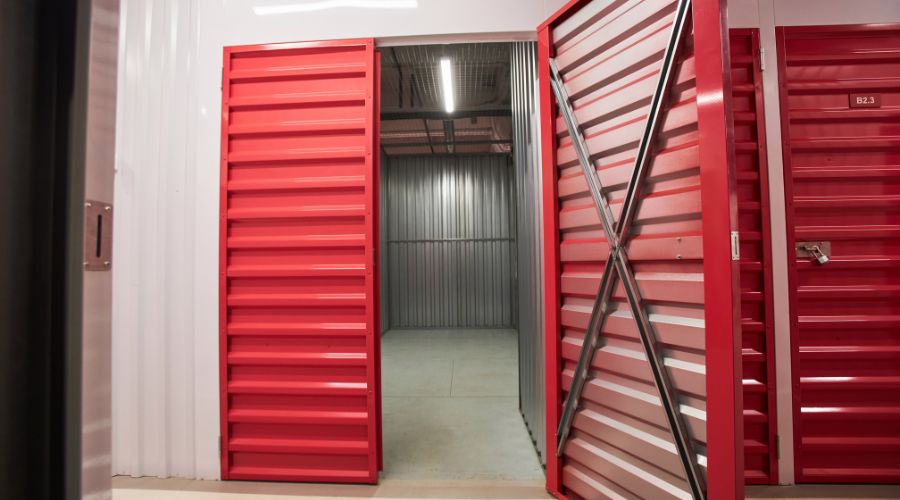
If you keep your kayak in a storage unit, make sure there is a physical barrier or CCTV in place to keep it safe.
5. Keep Away From Windows
Warmth and sunlight can damage a kayak’s construction, which fades and weakens the materials. Damp conditions and condensation can deteriorate your kayak as well, causing mould and mildew build-up.
If you store your kayak in a shed or garage, keep it away from windows, in a dry, moisture-free location. Storing your kayak properly, in optimum conditions will help maintain your kayak’s integrity and longevity.
There we go! We hope this post helped explain how to store a kayak in more detail.
To learn more about our purpose-built storage facilities or removal services, take a look at our website or contact Nathan.
At Falconer Removals, we use meticulous moving techniques, passed down and perfected through generations for over 132 years, to ensure your kayak and other items are stored in perfect condition.
For more expert advice on how to pack, move and store your belongings — or other important information on how removals work — check out our blog page.
