

If you’re moving house, it’s easy to focus on packing boxes and furniture while forgetting about large appliances, like the fridge. However, refrigerators are complex machines that can be easily damaged if they aren’t prepared properly before transport.
A typical domestic fridge relies on multiple interconnected systems, including compressors, condensers, evaporators, fans, and electronic controls that work together to maintain safe food storage temperatures.
Because this refrigeration system is so sensitive, small mistakes during transport, such as forgetting to defrost the freezer, leaving food inside, or transporting the appliance with moisture still inside, can damage it.
The good news is that with a bit of preparation, moving a fridge safely is much simpler than most people expect. We’ll explain how to prepare a fridge for moving below, including how to pack it correctly, and a few common mistakes to avoid.
1. Empty and Defrost the Fridge in Advance
One of the most important steps when preparing a fridge for moving is checking that it is empty and properly defrosted before moving day. This helps prevent water leaks, bad smells, and mould while the appliance is being moved or placed into storage.
Start by removing all food, drinks, and loose items from both the fridge and freezer compartments. Leaving food inside can cause spills and unpleasant odours if the appliance remains closed for any period of time.
Once the fridge is empty, switch it off and allow it to defrost for at least 48 hours (the longer the better) before the move. This gives any ice in the freezer enough time to melt and ensures there is no water left inside the appliance that could leak during transport or damage nearby items.
Taking the time to properly empty and defrost the fridge helps keep it hygienic and reduces the risk of problems during the move.
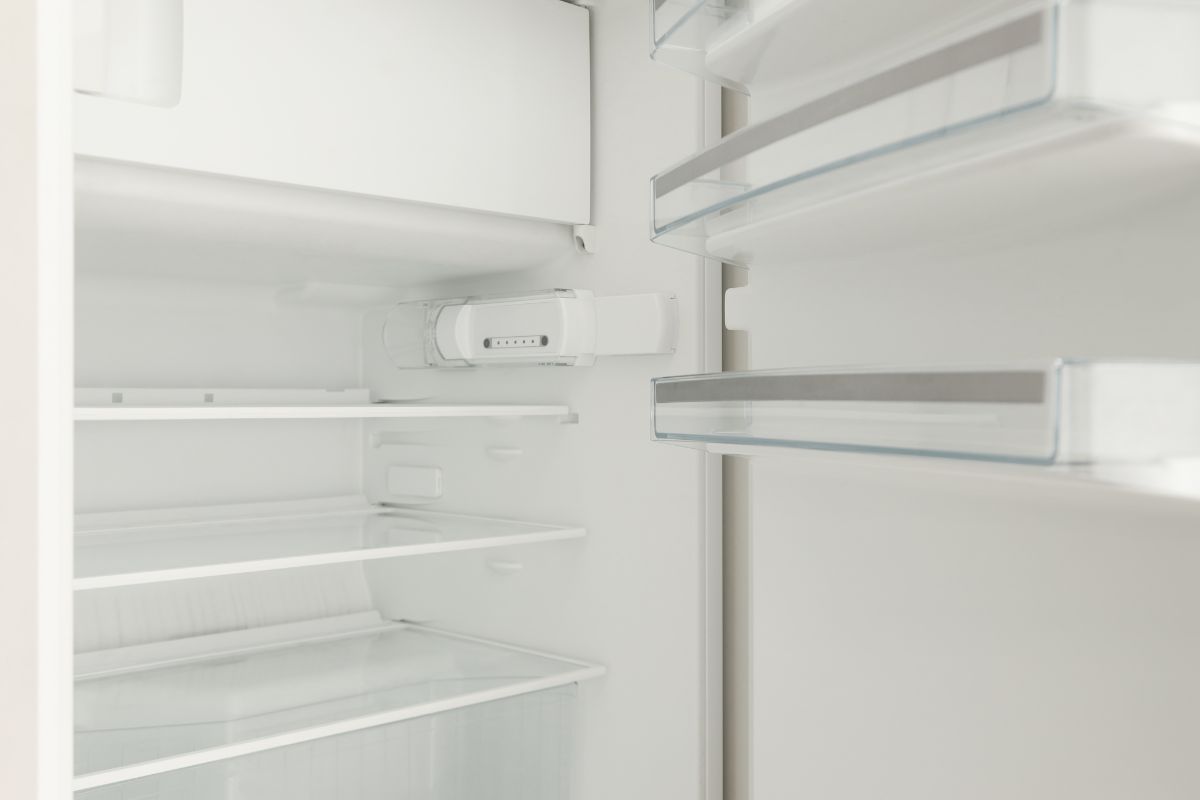
Leaving food inside can cause spills and unpleasant odours if the appliance remains closed for any period of time.
2. Clean the Fridge Thoroughly
Once the fridge has been emptied and fully defrosted, the next step is to clean it thoroughly before moving.
Begin by wiping down all interior surfaces, including shelves, drawers, and door compartments. Warm soapy water or a mild cleaning solution is usually sufficient to remove spills, stains, and any leftover food particles.
This step is particularly important if the fridge will be placed into storage. Even small traces of food residue can harbour bacteria and create unpleasant odours if the appliance remains closed for an extended period.
It’s also essential to remove any moisture during the cleaning process. Although refrigerators operate at low temperatures, mould can still develop when moisture and organic material are present, making a damp appliance an ideal environment for fungal growth.
Once everything has been cleaned, leave the fridge open for a short period to allow all surfaces to dry completely. Ensuring the appliance is clean and dry will help prevent odours, mould, and potential issues during transport.
3. Protect the Door Seal
Once the fridge is clean and fully dry, the next step is to check the door seal before moving the appliance.
While it might seem like a small detail, the magnetic strip around the edge of the door creates an airtight seal that helps the fridge maintain a stable internal temperature. It’s important to make sure this seal isn’t damaged when preparing the fridge for a move.
A common mistake is placing objects between the door and the fridge to keep it slightly open. Although this might seem like a simple way to air the appliance out, it can stretch or weaken the seal and prevent the door from closing properly later on.
Instead, keep the door fully closed so the magnetic seal remains intact. The fridge should already have been properly defrosted and dried beforehand, so there is no need to wedge the door open.
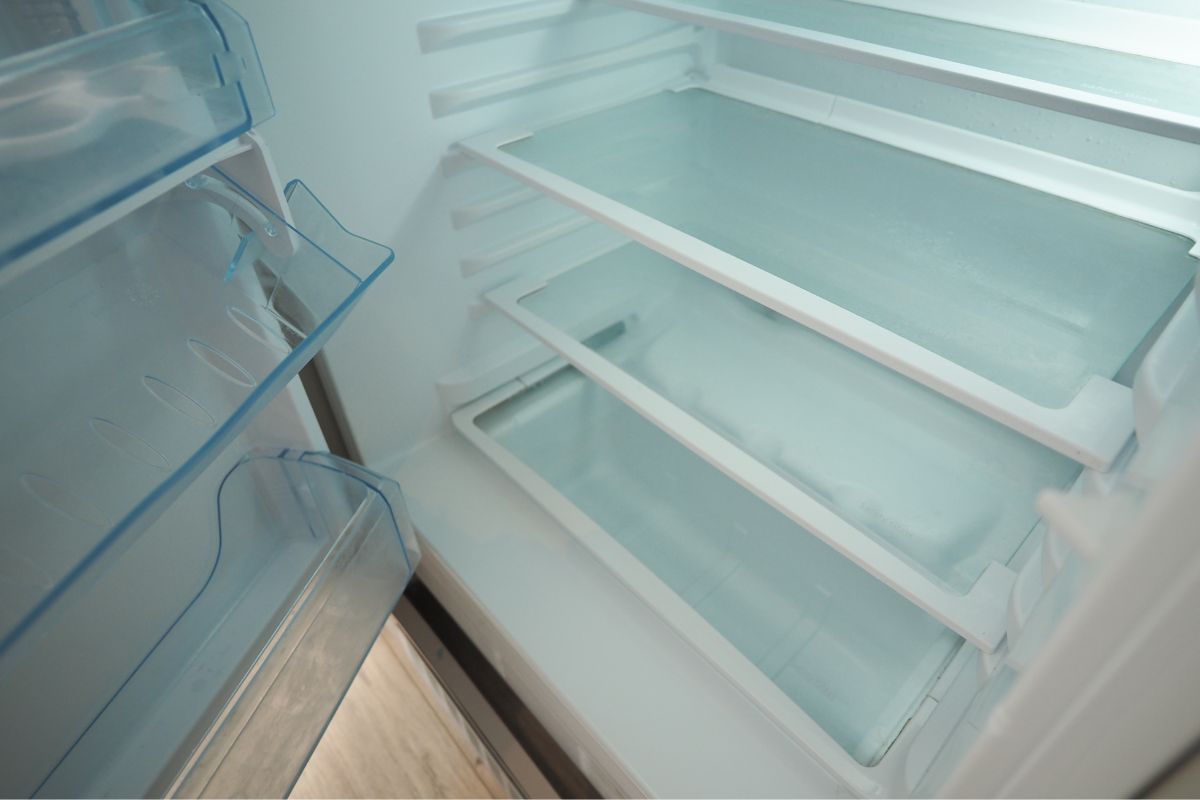
It’s important to check that the magnetic strip, which helps the fridge maintain a stable internal temperature, isn’t damaged when preparing the fridge for a move.
4. Moving the Fridge Safely
After completing these preparation steps, the focus shifts to ensuring the fridge is handled carefully during the move. Appliances like refrigerators are heavy and awkward to manoeuvre, so they need to be lifted and transported with care.
At this point, the appliance can be handed over to the removals team. Professional movers will typically protect the fridge with padded coverings to help prevent scratches or dents during loading and transport. The appliance is then carefully lifted and positioned for transit so it arrives safely at its new location.
Handling large appliances correctly helps reduce the risk of damage during loading, transport, and unloading.
This is why it is important to choose a reputable removals company with experience handling large household appliances, as they will have the right equipment and expertise to move items like refrigerators safely.
5. Can You Turn a Fridge On After Moving It?
After a fridge has been transported to a new home, it’s best not to switch it on immediately. Giving the appliance time to rest allows the internal components to stabilise after being moved.
Inside every refrigerator is a compressor that contains lubricating oil. During transport, especially if the appliance has been tilted slightly, this oil can shift within the system. Allowing the fridge to stand upright and unplugged for a few hours helps the oil return to the compressor where it belongs.
As a general rule, leave the fridge to settle for at least four hours before plugging it back in. After this time, you can switch the appliance on and set the thermostat as normal.
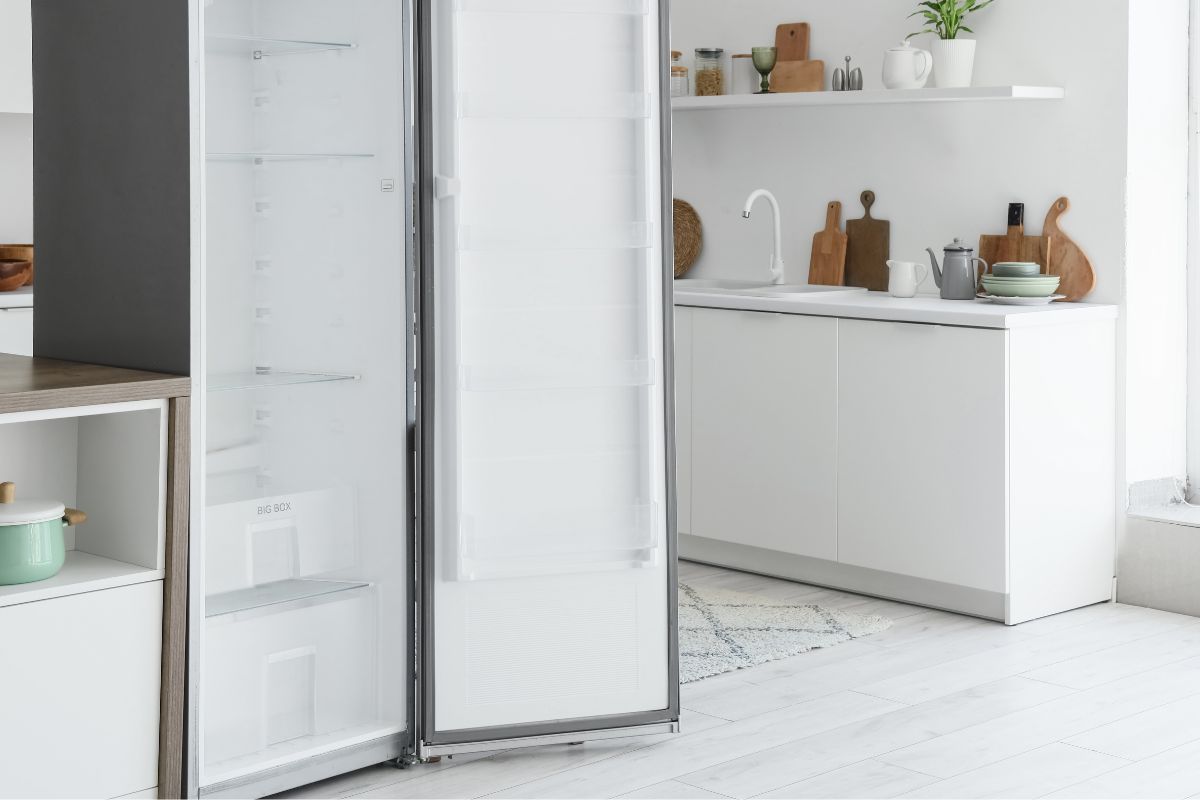
As a general rule, leave the fridge to settle for at least four hours before plugging it back in.
How We Can Help
We hope this guide has given you some helpful advice on how to prepare a fridge for moving.
If you’re planning a move and need help transporting large appliances safely, Falconer Removals is here to help.
With generations of expertise, we use proven moving techniques to ensure your belongings are transported safely and arrive at your new home in excellent condition.
Get in touch today to request a quote and find out how we can support your move.
