

Home workouts have become a regular part of many Brits’ fitness routines, with 68% of people who exercise now working out at home at least once a week.
With more people choosing to work out from home, an increasing number are investing in home gym equipment, including treadmills, weight benches, dumbbells and resistance machines.
However, with more fitness gear at home, relocating it safely is a real challenge. Gym equipment is often bulky, heavy, and prone to damage if not handled correctly, which makes careful preparation essential.
We’ll share tips for packing up gym equipment for the move below, helping you protect your investment and make your move as smooth and stress-free as possible.
Should You Move Gym Equipment Yourself?
It might be tempting to save money by moving your gym equipment yourself, but it’s never a good idea.
Home gym machines, barbells, and dumbbells are extremely heavy, large, and complex to transport safely. Attempting to move them without the right equipment and experience can lead to personal injuries, damage to your property and harm to the equipment itself.
Professional removals teams have the experience, tools, and techniques to move gym equipment safely and efficiently. However, before the movers arrive, there are a few key steps you can take to make the process smoother and safer, like dismantling your machines, organising sets, and planning the layout in your new space.
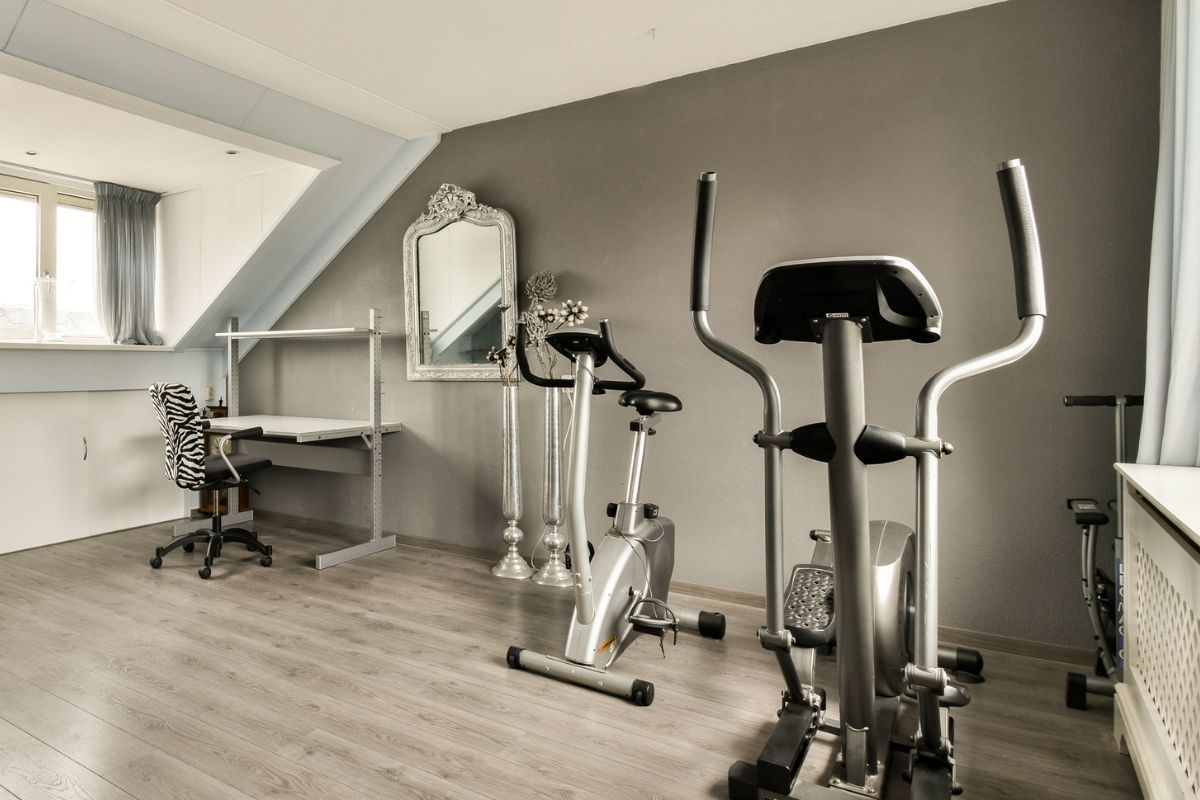
Attempting to move gym equipment without the right experience can lead to personal injuries, damage to your property and harm to the equipment itself.
1. Make Heavy Weights Easier to Move
Some types of gym equipment simply can’t be packed into boxes. With heavier sets of dumbbells weighing as much as 30 kg, dumbbells, barbells, and weight plates fall into this category due to their weight and density.
Standard cardboard boxes aren’t designed to support such heavy loads. They can easily tear or collapse, making them unsafe to lift. Even reinforced boxes may not provide enough stability, making it risky for both the movers and your flooring.
Instead of trying to box heavy weights up, it’s far better to keep these items together in a designated area, away from your other boxes.
- Dumbbells: Keep them together in pairs to keep them organised.
- Weight Plates: Stack a few plates high, depending on their weight, but make sure the stack isn’t too tall or heavy to handle safely.
This makes it easier for your removals company to use proper moving equipment, like trolleys or weight bags, to transport them securely.
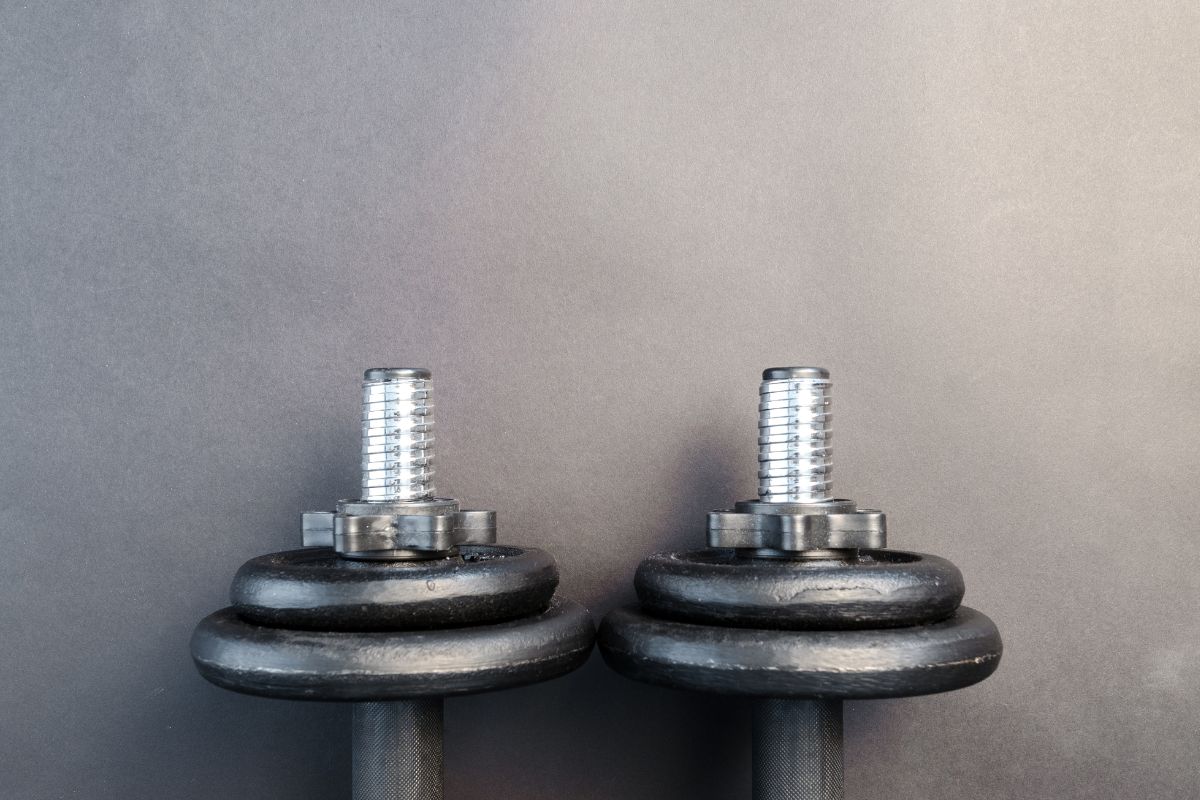
Keep heavy gym weights like dumbbells and plates together, not boxed, for safer and easier moving.
2. Dismantle Everything Carefully
When it comes to larger gym equipment, dismantling is essential.
Multi-gyms, weight machines, and benches are often complex, with cables, pulleys, and multiple sections increasing their weight and size. Attempting to move them fully assembled is extremely difficult and can lead to damage or safety hazards.
However, dismantling larger gym equipment can be a challenging task, particularly when dealing with multi-gyms, cable machines, and other complex setups.
These machines include intricate small parts that can become tangled or misplaced, making reassembly difficult if not done with care. The solution is careful preparation and organisation.
Before disassembling, ensure all machines are unplugged (a key safety tip, especially if your home gym has multiple machines). Always consult the instruction manuals for guidance, and if you don’t have them, check online or contact the manufacturer.
Keep every screw, bolt, and attachment in clearly labelled bags, and take photos of the equipment before and during disassembly. Taking photos before and during the process provides a visual record that makes reassembly much simpler and prevents lost parts.
3. Packing Up
After you’ve dismantled your machines, the next step is to pack each component carefully to prevent damage during transport.
Wrap smaller or delicate parts, such as treadmill consoles, elliptical handle bars, or rowing machine seats, in bubble wrap, securing them with tape to keep them in place.
Label each wrapped piece clearly to make reassembly easier once you arrive at your new home. You can do this by attaching masking tape to the protective covering, then writing the part name where it belongs.
This will keep everything organised so you know exactly where each component goes during reassembly.

Wrap smaller or delicate parts, such as treadmill consoles, elliptical handle bars, or rowing machine seats, in bubble wrap, securing them with tape to keep them in place.
4. Protect Your New Home
If you’re moving gym equipment into your new home, it’s just as important to protect your property as it is to protect the gear itself.
Even when disassembled, large components from machines like treadmills and exercise bikes can leave marks, dents, or scratches on floors if they’re not handled carefully. The same applies to dumbbells, kettlebells, and weight plates, as their sheer weight can damage flooring if dropped or dragged across.
It’s worth planning where each piece of equipment will go ahead of time. Measuring up and deciding on a layout in advance means you’ll only have to lift and position each item once, reducing the risk of dragging heavy items across floors and preventing scuffs.
This planning also makes reassembling your equipment easier, as each piece can be put together in its designated spot without having to be moved around multiple times.
How Can We Help
Moving heavy gym equipment is challenging, but Falconer Removals can make the process much easier once your equipment is dismantled and ready to go.
With over 130 years of experience in removals, we know how to move bulky and delicate items safely and efficiently, giving you peace of mind throughout your move.
Get in touch with our team for a quote. For more tips and expert advice on packing, moving, and protecting your belongings, check out our blog.
