
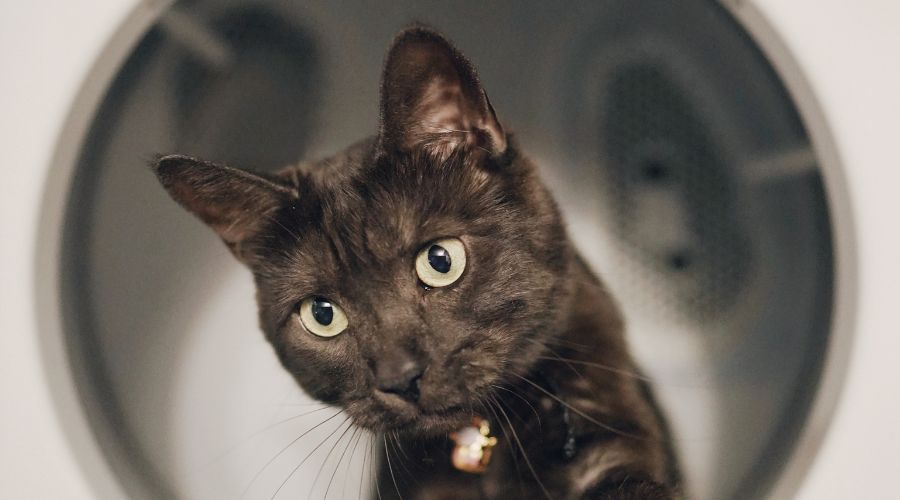
Moving house is one of the most stressful things you can do, but can also be incredibly unsettling for your cat.
However, there are a few things that you can do to ensure the move is as seamless as possible to ensure your cat doesn’t get stressed, and is happy as possible for the duration of the move.
Tips for moving to a new house with a cat include:
- Keeping your cat in one room whilst you unpack boxes
- Maintaining your cat’s routine
- Using scents to make them feel at home
- Keeping your cat inside for a few weeks
- Put them in a cattery for the move
1. Keeping Your Cat In One Room Whilst You Unpack Boxes
The first tip for moving house with a cat is to keep your cat in one room whilst you unpack boxes.
Whilst it can be tempting to want to let your cat out if they seem distressed, it’s essential to keep them in one room to minimise their stress.
There’s no getting away from the fact unpacking boxes can be messy when you first get started. Being in a new environment is anxiety-inducing and unfamiliar enough for your cat without piles of your possessions being out of place and unfamiliar people coming in and out of the house.
As such, you don’t want your cat to be getting in the way or becoming spooked, and keeping them in one room can help to combat this.

Cats need routine to feel safe and happy, so whilst it might be difficult, you must maintain their routine during the move.
2. Maintaining Your Cat’s Routine
To make sure your cat’s move goes as smoothly as possible, one of the most important things is to maintain their routine.
Cats need routine in order to remain happy in their environment, as it helps to ‘keep their stress levels low’.
This means feeding your cat at the same time every day, and making sure that you prioritise interacting and playing with your cat like you would normally.
Failing to prioritise your cat during this unsettling time can lead to them feeling unhappy and bored which can cause destructive behaviour, so it’s essential to make time for them and keep their routine consistent.
3. Using Scents To Make Them Feel At Home
Next, you can use scents to help make your cat feel at home. Smells can contribute to your cat feeling unsettled.
This comes down to the fact that the new home will be filled with new smells from the previous family, and these smells can include pets that previously lived in the property.
To encourage your cat to settle in, placing familiar smells such as their old bed, blankets, and other personal items can help to ground them in an unfamiliar place.
With the help of these familiar smells, slowly, but surely your cat will begin to feel more comfortable and at home in your new house.
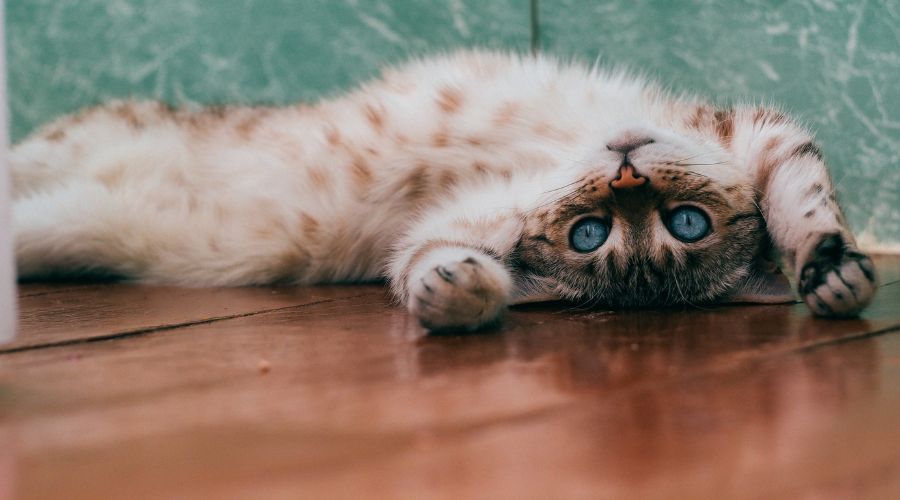
Smells can contribute to your cat feeling unsettled, so you need to ensure you fill a room with familiar smells to help them in the move.
4. Keeping Your Cat Inside For A Few Weeks
Last, but by no means least, you should keep your cat inside for a few weeks when moving house.
Keeping your cat inside for a few weeks allows them to adapt to their new environment and minimises the risk of them returning to their old home.
If you let them out too soon, then they could get into all sorts of trouble and danger in search of your old home, so it’s essential to keep them inside to ensure they’re safe.
Generally speaking, you should keep them inside for a minimum of 2 weeks to allow them to adjust to their new surroundings. That said, some people decide to wait as long as 6 weeks before letting their cat outside.
You’ll also need to ensure that their behaviour seems normal before letting them out, as if they seem particularly anxious, it isn’t a good idea.
5. Put Them In A Cattery For The Move
Another alternative is to place your cat in a cattery for the duration of the house move.
This will ensure that your cat is safe and out of the way whilst the removal company is coming in and out of the house, and means that they’re somewhere safe whilst you unpack and get their new home ready.
Keeping your cat in a cattery for the move also gives you time to get a safe space ready by placing all of their belongings in a room to help your new house feel more familiar to them.
This, in turn, will make the move more manageable for your cat as they won’t be around the disruption of the house move.

You should keep them inside for a minimum of 2 weeks to allow them to adjust to their new surroundings.
How Can We Help
At Falconers we use meticulous moving techniques, passed down and perfected through generations for over 132 years, to ensure your goods are moved with expert precision and kept in perfect condition.
To learn more about our removals services or purpose-built storage facilities, contact Nathan, or send us an email at info@falconerremovals.co.uk. For more expert advice on how to pack, move and store your belongings — or other FAQs on how removals work — check out our blog page.
If you’re also moving with a dog, check out our guide on how to help dogs settle into a new home.
Written by Jemima Thomas for Falconer Removals & Storage.
