

With the global storage industry predicted to reach a new record high of $50.6 billion in 2024, it won’t come as a surprise that the range of storage options available is vast.
With so many options for keeping your previous items safe for long periods of time, how do you ensure you pick the right storage solution with both cost and maximum safety and security in mind?
This 5-part guide will allow you to navigate the safest options and techniques when it comes to keeping furniture safe in storage.
You can keep furniture safe in storage using the following five steps:
- Clean furniture thoroughly
- Use transport/anti-static blankets
- Separate furniture in transport and storage
- Wrap mattresses
- Use containerised storage
Let’s break down those five steps to ensure you’re completely in-the-know when it comes to storing your precious furniture items.
1. Clean furniture thoroughly
This step applies to all materials including fabric and leather – and even more so if you have pets, young children or a baby that may have caused stains on furniture items.
Remember that food stain that hasn’t developed into anything worse? In storage that could all change. In storage, bacteria can grow rapidly and cause knock-on issues like mold, eventually causing wear and damage to your furniture.
The last thing you want when unloading furniture into your beautiful new property is furniture coming out in an unusable state and therefore spending unnecessarily on repairs or replacement items. So either use some strong cleaner and hot water or hire a professional cleaner to avoid any nasty surprises on moving day.
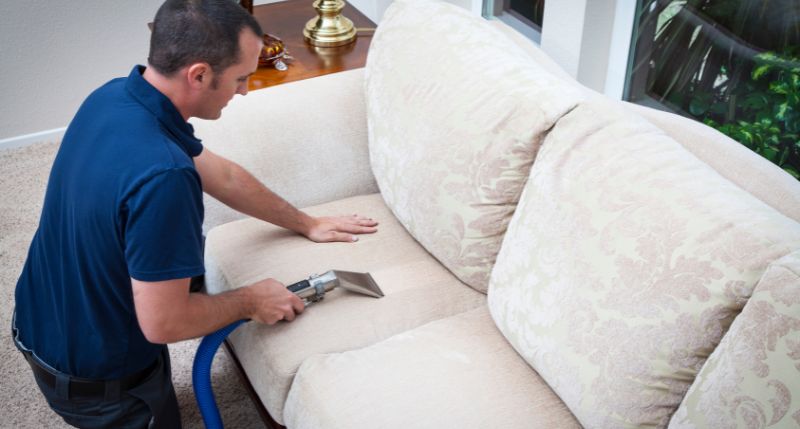
Nothing but spotless will do – you can then look forward to blessing your new home with good-as-new furniture.
2. Use transport/anti-static blankets
Not only will transport blankets protect your items from scuffs and dirt during the moving and storage process, but they’ll also ensure items are separated (more on this in step 3).
Can I just use old duvets or throws?
Unfortunately not, transport blankets are specially designed to be thick, strong and quilted to ensure maximum protection. Not using these specifically designed blankets could lead to furniture damage.
Anti-static blankets are also design to use static to stick to your furniture securely without leaving any residue.
How can I get access to transport blankets?
You can buy transport blankets from your local B&Q or large DIY outlet, however the best blankets can be expensive. This is where a professional and reliable storage service can be incredibly helpful. A professional storage facility and removal team will provide the highest quality transport blankets free-of-charge as well as providing the peace-of-mind and stress-relief that hiring a storage team can bring.
3. Separate furniture
Separating furniture for air-flow and preventing movement damage is essential not only in storage, but also during the transportation. Containerised storage also helps furniture remain separate during transportation, but more on that in step 5.
Saving money saving time during a house move will be on your mind, and that’s totally normal. Though cramming furniture into a small van could cause more harm than good, with furniture damage amounting to a higher cost than that of the saving made by not using a larger van or removals team. Seperating furniture for protection and safety is key.
Should all furniture items be kept separate?
Absolutely – and transport blankets will allow you to do this whilst making the most of the space in your containers or removals van.
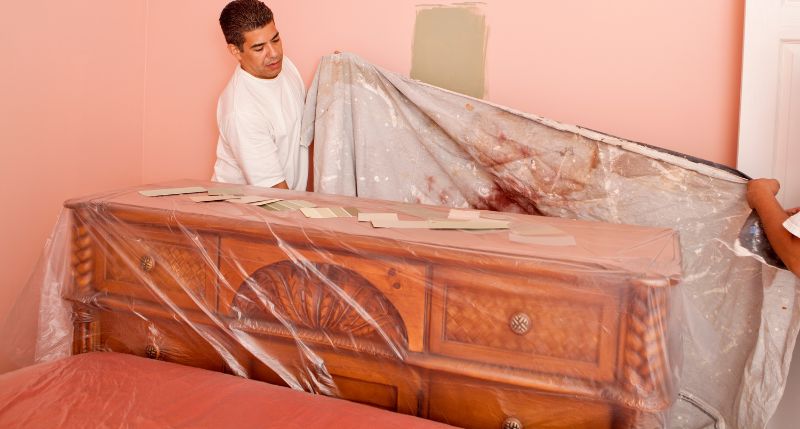
Simply a plastic wrap and old blanket won’t do the job. Go a step further with transport blankets to protect your furniture.
4. Wrap mattresses
I hope you’re feeling strong – because mattresses are heavy. Not only this, but whilst being moved in an out of the van, property and storage container, mattresses should be kept well of the ground at all times. This is where mattress wrap comes into play.
Using a polythene sheet will help avoid any scuffs or marks during the moving process.
Is one layer of wrapping enough?
Unfortunately not, and this is where a professional storage solution will help. Mattresses should be wrapped twice in polythene wrap before being followed by a heavy duty protector to ensure maximum safety and protection. All this will be provided by a professional removals & storage service during your moving and storage process.
5. Use containerised storage
‘Last’ but absolutely the furthest from ‘least’ – for maximum safety in terms of both protecting from theft but also protecting from damage, choose containerised storage.
What’s different about containerised storage?
The characteristics of containerised storage that offer maximum safety include the following:
- Items are completely sealed tight in separate containers and only opened upon removal – deterring any thieves.
- Containers are labelled and itemised for better organisation and easy moving-in.
- 0% chance of items being mixed up – unlike in standard warehouse storage where different household’s items are often stored together.

For total peace of mind, choosing a containerised storage facility could make all the difference.
What about self-storage?
The accessible nature of self-storage can make it an appealing choice, though it’s worth considering how often you will actually need to access furniture items between moving houses.
However, many self-storage facilities offer rooms that are only separated by corrugated steel, as oppose to actual brick wall. This allows fairly easy access to any opportunistic thief who might find your antique or expensive furniture items quite appealing.
Only containerised storage with 24-hour CCTV can offer the 100% safety from theft that you’re looking for in a storage facility.
I hope this guide on keeping furniture safe in storage has helped offer some clarity on the storage process.
About Us
At Falconer Removals, we use meticulous moving techniques, passed down and perfected through generations for over 132 years, to ensure your goods are moved with expert precision and kept in perfect condition. Get a quote from our team today.
For more expert advice on how to pack, move and store your belongings — or other FAQs on how removals work — check out our blog page.
Written by Aled Nelmes for Falconer Removals & Storage.
