
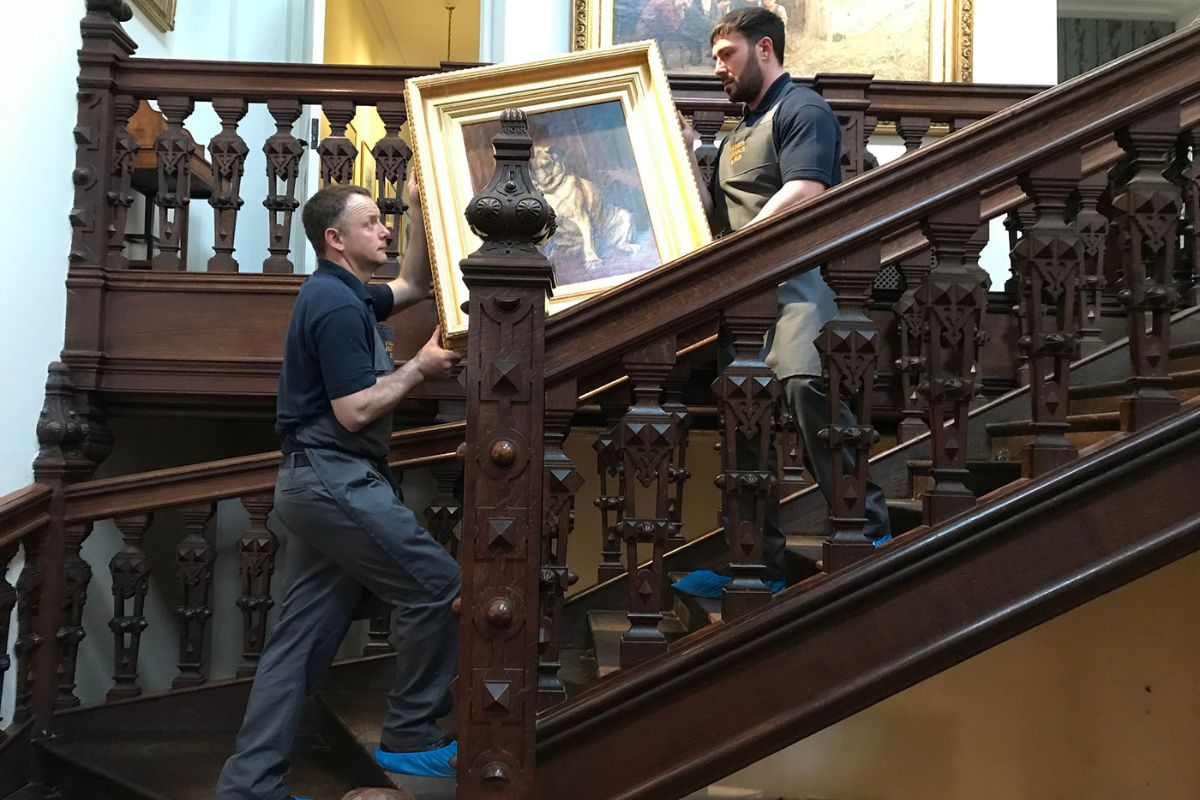
While the specific guidance on moving antique furniture can – and should – vary from item to item, there are specific rules that can be applied to all antique removals. This guide will equip you with the knowledge and confidence to ensure your precious antiques make it to their new location safe and sound.
1. Schedule More Time Than Required
If you fail to plan then you might as well plan to fail. In our decades of moving experience, we’ve often had panic-filled phone calls with homeowners who have underestimated the amount of time required not only to move their furniture but to move their delicate, antique furniture. In fact, failing to plan ahead is our top moving mistake.
This is why you must schedule moving your antiques separately from the rest of your furniture.
How Long Will My House Move Take if I Own Antique Furniture?
The general time frame for a normal house move is anywhere between 4 and 16 hours. However, if even just 10% of your furniture consists of antiques, we recommend adding at least 50% more time to your schedule. Communicate this clearly with your moving team (whether it’s professionals or helpful friends) to ensure everyone is on the same page.
2. Prioritise The Face
While all pieces of antique furniture should be protected, we recommend paying special attention to the face of the furniture. This, more often than not, is the part that everyone sees.
You should consider where the face of the antique is and where it’s facing when you are:
- When moving the item out of your current home or premises.
- While loading it into the moving van (use protective blankets or padding).
- Positioning it in the van (ensure it’s secure and buffered from other items).
- Unloading and carrying it into your new space (watch for tight doorframes or uneven steps).

3. Treat Every Antique Differently
Modern furniture tends to have straight edges and smooth surfaces. This contrasts greatly with antique furniture, which often features delicate details, uneven surfaces, and fragile joints that demand special care.
There are two common pieces of antique furniture that we see during house removal; the gate leg table and the bow-fronted chest of drawers.
Gateleg Tables
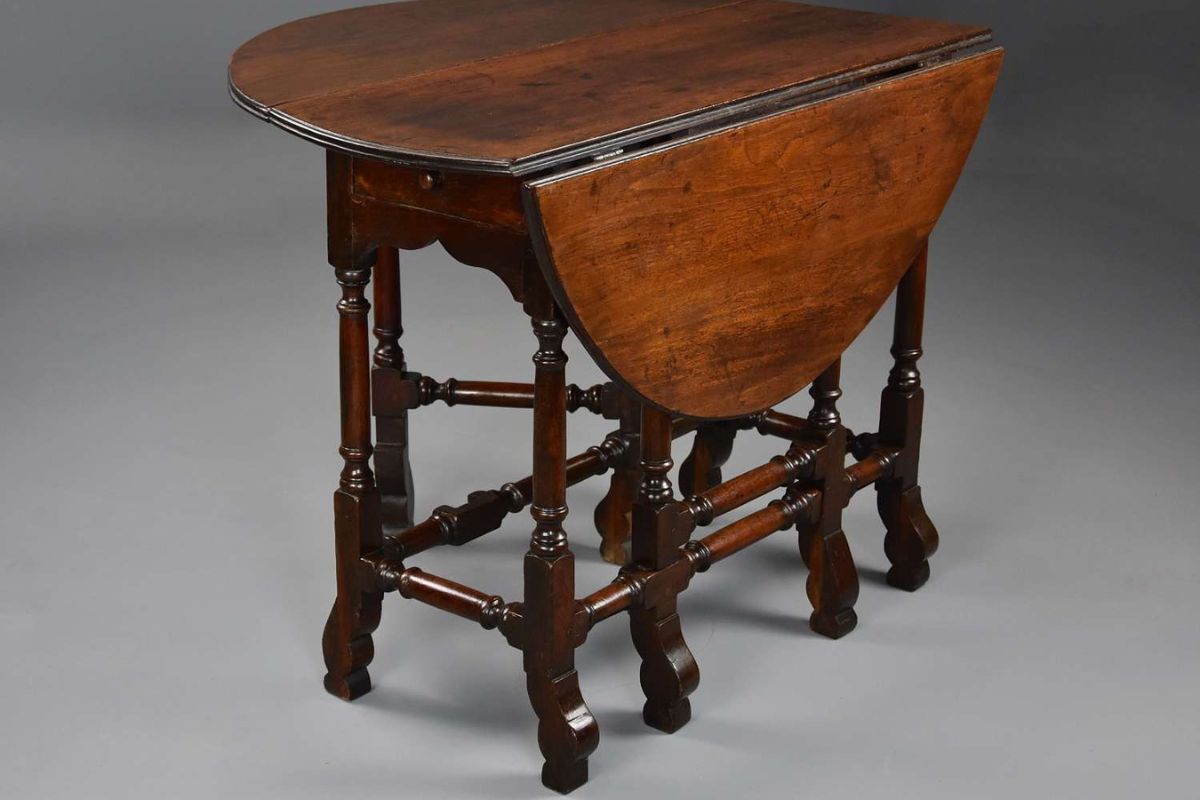
Gateleg tables are one of the most common pieces of antique furniture in the UK, and unfortunately one of the easiest to get wrong when it comes to moving. These elegant tables are a staple in many homes, but their folding design and long legs make them particularly vulnerable
When moving the table, you will be tempted to drag the item as the folded design can make the item hard to grasp – however, this should be avoided at all costs. These tables have long legs which can easily snap when dragged, so lifting is an absolute must to avoid snapping the legs or damaging the hinges.
Bow-Fronted Chest of Drawers
These unique drawers commonly feature small legs, often just a couple of inches in length and easily go unnoticed or not considered at all when moving. This means that any surprise door frames, steps or ridges can snap these legs clean off if moving at speed and not properly protected.
The advice is similar to that of the gate leg table, protect the item carefully by lifting and not dragging. Lift carefully, and avoid rushing.
4. Plan Climate Control
Antique furniture items do not have the climate resistance and durability that modern furniture possesses. This step becomes increasingly vital if you’re moving long distances (such as to a different country) or if you’re moving during the peak of summer or winter.
Sudden changes in temperature or humidity can harm antique furniture so keep this in mind when selecting:
- The time of day to move.
- The time of year to move (avoid peak summer heat or winter cold if possible).
- The vehicle of choice (climate-controlled options are ideal for long-distance moves).
- Storage conditions if there’s a gap between moves (opt for a facility with stable temperature and humidity levels).
5. Consider Hiring an Expert
Whilst this guide is designed to make you feel more confident about moving your antique furniture, the whole process may start to sound complicated and exhausting – if that’s the case, then it’s time to hire the experts.
When looking for a removal team for your house move, it’s important you don’t simply hire the closest company to your place. Take the time to do your research and identify those removal teams that specialise in moving antique furniture and have gathered verified positive removal reviews for doing so.
At Falconer Removals, for example, we’ve honed our craft over 132 years, using time-tested techniques to ensure your antiques are moved with the utmost care. Sometimes, leaving it to the experts is the best way to preserve both your furniture and your peace of mind. Get a quote from our team for more information.
6. Consider Taking Out Insurance
Even with the best planning, accidents can happen. Whilst professional removal teams will have their own insurance, if you’ve decided to go DIY with your antique removals then taking out insurance from a recommended and well-reviewed provider could be the answer to your worries.
Insurance won’t just protect your furniture, but it’ll give you the confidence to focus on the excitement of your new chapter, rather than the “what-ifs.”
How Falconer Removals Can Help
Moving antique furniture is as much an art as it is a science. By taking the time to plan and prepare, you can ensure that your treasured pieces remain as pristine as the day you acquired them.
At Falconers we use meticulous moving techniques, passed down and perfected through generations for over 132 years, to ensure your goods are moved with expert precision and kept in perfect condition. To learn more about our removal services or purpose-built storage facilities for Wales and beyond, don’t hesitate to contact Nathan.
For more expert advice on how to pack, move and store your belongings — or other FAQs on how removals work — check out our blog page.
