

Anyone with pets knows how stressful it can be to move home when you have animals to care for.
With an estimated ‘800,000 reptiles kept as pets in the UK’, it’s essential for pet owners to ensure their reptiles are happy, healthy, and prioritised when it comes to moving house.
Failure to prepare ahead of time can cause a lot of unnecessary stress for you and your beloved reptile, so it’s important to take the necessary steps to ensure they’re calm and safe.
If you’re looking for tips for moving house with reptiles, we’re here to help.
Tips for moving house with reptiles include, but are not limited to:
- Take your reptile to the vet
- Remove loose accessories and decorations from your vivarium and pack them separately
- Pack the vivarium carefully with packing materials
- Clearly label the boxes
- Place your reptile in a travel container
- Take your reptile to the new home separately
1. Take Your Reptile To The Vet
When you’re preparing to move to a new house with a reptile, arguably one of the most important tips is to take your reptile to the vet for a health checkup.
Moving can be highly stressful for animals, so your vet can also provide you with information on the best way to make the experience as comfortable as possible for your specific type of reptile. Generally speaking, you’ll want to schedule a health checkup within 10 days of moving.
This way, if your pet’s health does deteriorate after you move, you’ll have a better understanding of whether the move was the cause.
Additionally, if you’re moving or travelling abroad, you will need to ensure that you research the customs documentation that you’ll require.
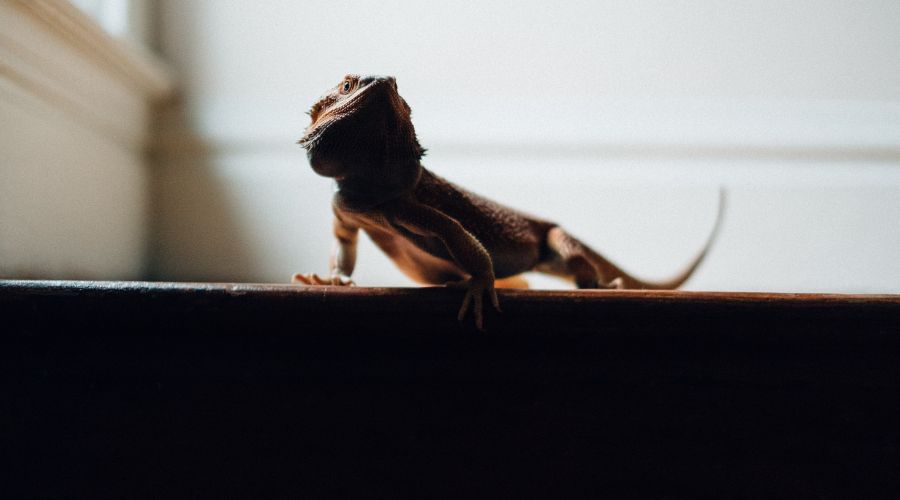
With an estimated ‘800,000 reptiles kept as pets in the UK’, it’s essential for pet owners to ensure their reptiles are happy, healthy, and prioritised when it comes to moving house.
2. Remove Loose Accessories & Decorations From Your Vivarium & Pack Them Separately
The next tip to consider when moving house with reptiles is to remove any loose accessories and decorations before packing them separately.
As vivariums can be made from a variety of materials, including wood, plastic, and glass, leaving anything that can fly around the interior of your vivarium increases the risk of it becoming damaged in transit.
You will want to wrap individual accessories and decorations, such as your reptile’s water bowl and feeding dish in bubble wrap before placing them in a separate box filled with packing paper.
Taking these steps will not only help to protect your vivarium but will also help to ensure that your accessories are safe, too.
3. Pack The Vivarium Carefully With Packing Materials
Once you’ve removed the accessories, it’s time to pack the vivarium. Considering that the minimum size for an adult reptile is 90x45x45cm, how you pack it will depend on the size of the vivarium in question, as you might not be able to source a box big enough for larger vivariums.
That said, if you do opt for a cardboard box, you will need to carefully place your vivarium in a box that has been filled with packing paper and biodegradable packing peanuts.
Once you’ve packed your vivarium within the box, you should fill any leftover space with more packing materials. This will help to absorb some of the shock caused by the removal van and will work to protect your vivarium whilst on the move.
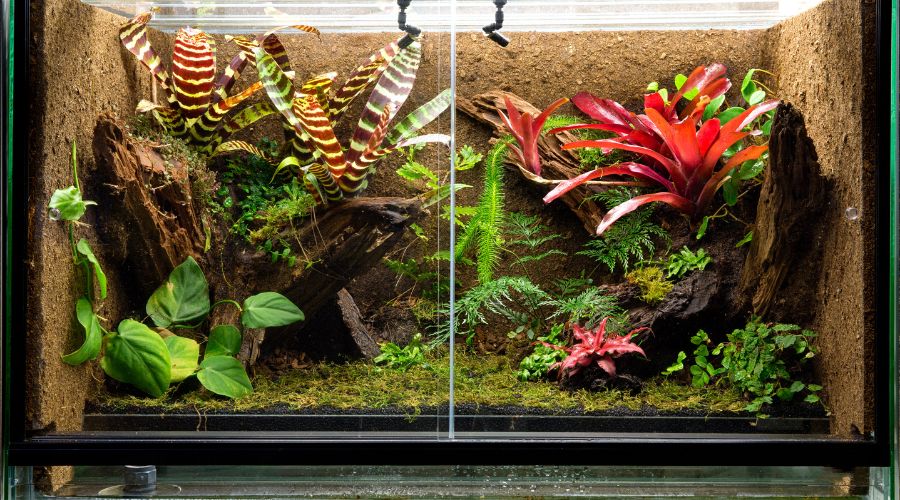
Considering that ‘the standard sizes [of vivariums] range between 10 gallons to 75 gallons’, how you pack it will depend on the size of the vivarium in question, as you might not be able to source a box big enough for larger vivariums.
4. Clearly Label The Boxes
Another tip to consider when moving home with a reptile is to ensure that you clearly label the boxes.
Labelling your boxes with something like ‘Reptile Accessories’ and ‘Vivarium (Fragile)’ will help you to locate your boxes more efficiently and will also help to indicate to the removal company that they need to take care when transporting the boxes.
In turn, this will aid the unpacking process, meaning that you can get your reptile’s vivarium set up as soon as possible to ensure their transition to the new home is more manageable.
5. Place Your Reptile In A Travel Container
On the day of travel, you will need to place your reptile in a travel container with plenty of bedding. Depending on how long the journey takes, you will need to ensure that you’re checking on your reptile periodically throughout the day every few hours.
Bearing this in mind, it’s better to keep the container nearby to ensure that it’s accessible if you encounter any delays on your journey due to traffic. Additionally, it’s important to note that not every removal company will move animals, which is another reason why it’s best to keep your pet in your own vehicle.
You’ll also need to make sure that you monitor their temperature regularly to ensure that your reptile is warm enough, which can be achieved in various ways such as using heating pads.
You’ll also need to bring a spray bottle of water to mist them every now and then for longer journeys, as this is essential to keep them hydrated on the move.
6. Take Your Reptile To The New Home Separately
The last tip to consider when moving house with reptiles is to take your reptile to the new home separately, once you have their vivarium set up.
While this might not be logistically possible if you’re moving further away, this tip can significantly help to reduce stress and help your reptile to settle into a new home more seamlessly.
Hiring a professional removal company is also a great way to ease the load, leaving you to concentrate on your children and pets whilst everything else is handled.
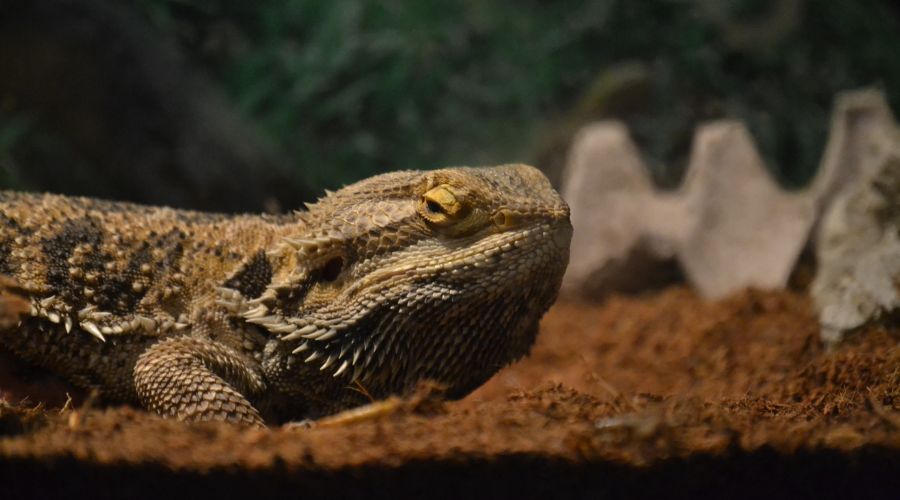
Additionally, it’s important to note that not every removal company will move animals, which is another reason why it’s best to keep your pet in your own vehicle.
To learn more about our removals services in South Wales or purpose-built storage facilities, contact Nathan. At Falconers we use meticulous moving techniques, passed down and perfected through generations for over 132 years, to ensure your goods are moved with expert precision and kept in perfect condition.
For more expert advice on how to pack, move and store your belongings — or other FAQs on how removals work — check out our blog page.
If you also happen to be moving with a dog, check out our guide on how to help dogs settle into a new home.
Useful links:
Written by Jemima Thomas for Falconer Removals & Storage.
