

Your kitchen is one of the last rooms that you’ll pack up when you’re moving house, but when it comes to it, you might not know where to start.
From packing your fridge, to moving your oven, there’s a lot to think about when you’re packing up a kitchen.
When it comes to packing kitchen utensils, it can be tricky to know how to tackle the task in the safest way possible to ensure all of your belongings are protected.
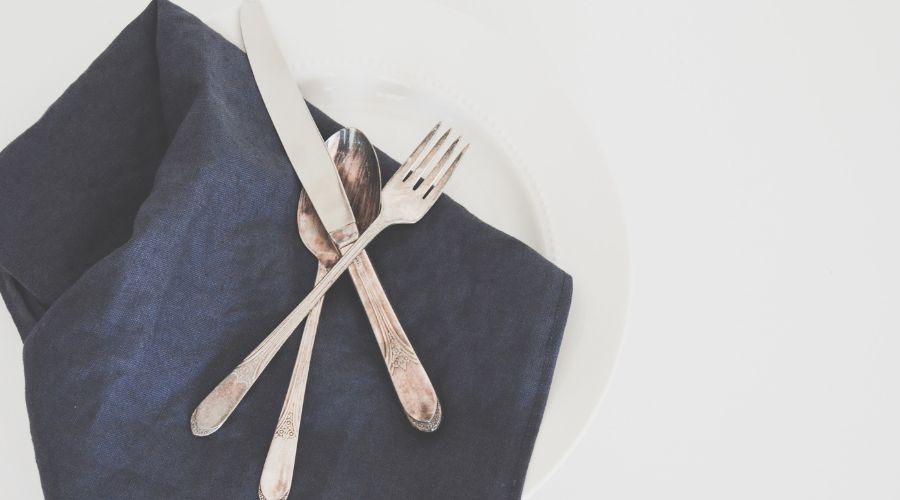
The safest way to pack metal kitchen utensils is with bubble wrap.
To pack kitchen utensils when moving house, try using:
- Bubble wrap
- Packing paper
- Boxes
1. Bubble Wrap
The easiest and safest way to pack knives and forks when moving house is to wrap them in bubble wrap.
When you’re packing knives, forks, and spoons, be sure to wrap them in separate pieces of bubble wrap. This will ensure that they remain organised in the move, and will make it easier to unpack them at the other end into your new kitchen drawers once the removal company unloads your boxes.
The same principle applies to metal utensils such as your whisks, potato mashers, and large metal serving spoons.
When it comes to packing larger kitchen knives, be sure to protect all sharp knives in a few layers of bubble wrap. This is important, as when it comes to utensils, kitchen knives are ‘the most likely item to cause an incident’.
Bearing this in mind, wrapping them in bubble wrap helps to ensure that they’re fully protected and you’re not in danger of hurting yourself when it comes to taking them out of the boxes.
In addition to this, you will need to make sure that you place any sharp knives lying on their side when you bubble wrap them. This will minimise the risk of the knives damaging the bubble wrap, and will also minimise the risk of you cutting yourself.
Be sure to tape each bundle of cutlery to secure the bubble wrap in place, as you don’t want any loose cutlery to fly around the box and cause damage during transit.
You will also want to pack the knife block in bubble wrap. This is because knife blocks are fairly heavy, and failing to protect it in wrapping paper during the move increases the risk of it damaging other items that it’s placed in a box with.
Packing paper is good for packing kitchen utensils with less weight to them, as they require less protection than metal utensils.
2. Packing Paper
When it comes to packing kitchen utensils such as rubber spatulas, as well as wooden spoons, packing paper will suffice.
This comes down to the fact that they’re less heavy, allowing you to save the bubble wrap for wrapping other items that need more padding during the moving process.
Packing paper is very affordable, and is available at the majority of storage shops.
The great thing about packing paper is that you don’t necessarily need to tape it, which can save you a lot of time when you’re packing. That said, if you want to take this precaution you can.
Using the same process as before, place them carefully into boxes that contain crumpled packing paper and tape them up for the moving company.
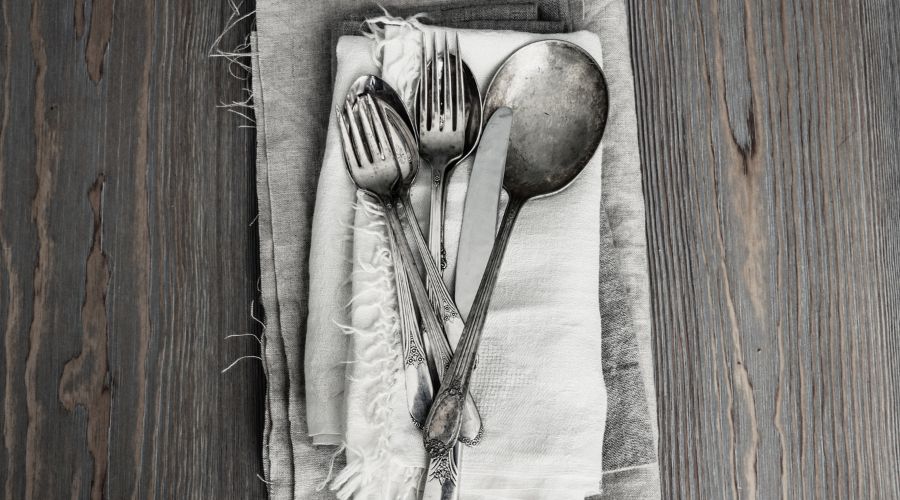
Be sure to pack your wrapped cutlery in taped boxes ready for a removal company to collect.
3. Boxes
Once you have wrapped your kitchen utensils either in bubble wrap or packing paper, you will then need to pack them in boxes.
Before you place your bundles of kitchen utensils in the box, you will want to crumple some packing paper and add it to the bottom of the box.
This will act as a cushion for your kitchen utensils, and will help to protect them during the move.
It’s also important to mention that it’s best to pack your kitchen utensils in a separate box without any crockery, as this will prevent your metal utensils from causing any damage to expensive plates and bowls.
While it’s tempting to combine multiple items in the same cardboard box to save space, it’s not worth the risk of combining crockery with cutlery, especially if your crockery holds sentimental value.
Be sure to tape up the cardboard boxes and clearly label them so that the professional removal company knows which room to take them to when it comes to unloading your belongings in your new home.
How We Can Help
We hope that this post on how to pack kitchen utensils helps keep your cutlery safe during your move.
At Falconers we use meticulous moving techniques, passed down and perfected through generations for over 132 years, to ensure your goods are moved with expert precision and kept in perfect condition.
To learn more about our removals services or purpose-built storage facilities, contact Nathan, or send us an email at info@falconerremovals.co.uk. For more expert advice on how to pack, move and store your belongings — or other FAQs on how removals work — check out our blog page.
Written by Jemima Thomas for Falconer Removals & Storage.
